Dynamic Blockchain Environment
Ever-Changing Systems
Blockchain systems are continually updated to handle new requirements, ensuring adaptability and innovation as technology grows.
Tokens for Participation
Tokens may represent access, participation, or certain privileges within digital projects, building unique ecosystems.

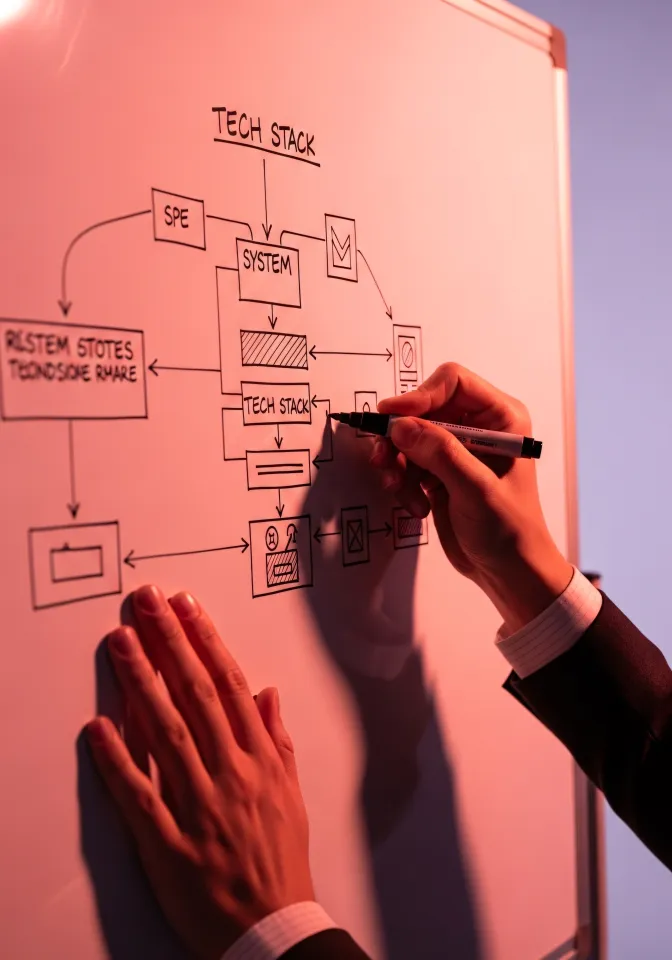
Transaction Costs
Network fees and gas help keep digital platforms operational, rewarding computers that process data efficiently.
Awareness and Caution
Market shifts can affect digital asset value. Be aware that participation carries risk; results may vary and past trends do not guarantee future outcomes.
Frequently Asked Questions

How are Transactions Recorded
Transactions are grouped and timestamped into blocks, making each record traceable and transparent for every participant. This structure builds credibility in the network.
Coins or Tokens
Coins generally provide value exchange and fuel basic functions in their systems, while tokens unlock unique features or participation in certain projects.
What is Gas
Gas is a transaction fee on some blockchains that powers network activity. Its cost can change depending on how active the network is at any moment.
Volatility Warning
Digital assets are a volatile investment and may lose value. Results may vary, and caution is advised when considering participation.

Your Entry to Blockchain Essentials
Our blog presents blockchain concepts in story format, making them approachable for everyone. Experience a journey from the first recorded block to everyday applications that matter in the digital world.
We highlight practical aspects so newcomers and enthusiasts can understand how networks, coins, and tokens interact with real projects and communities.
Clear examples and analogies are used to simplify advanced themes such as how transactions are confirmed and where network fees or gas are needed.
Instead of promising quick gains, we emphasize awareness—digital asset transactions are accompanied by price changes and fluctuations, which call for careful consideration.
You’ll find tips and perspectives on navigating transaction costs, with focus on security, network stability, and fair participation.
Our priority is offering information that is factual and approachable, avoiding promotional tones or technical confusion.
We reinforce that digital assets can be a volatile investment, and results may vary for each individual engaging with these systems.


Blockchain Through Visual Stories
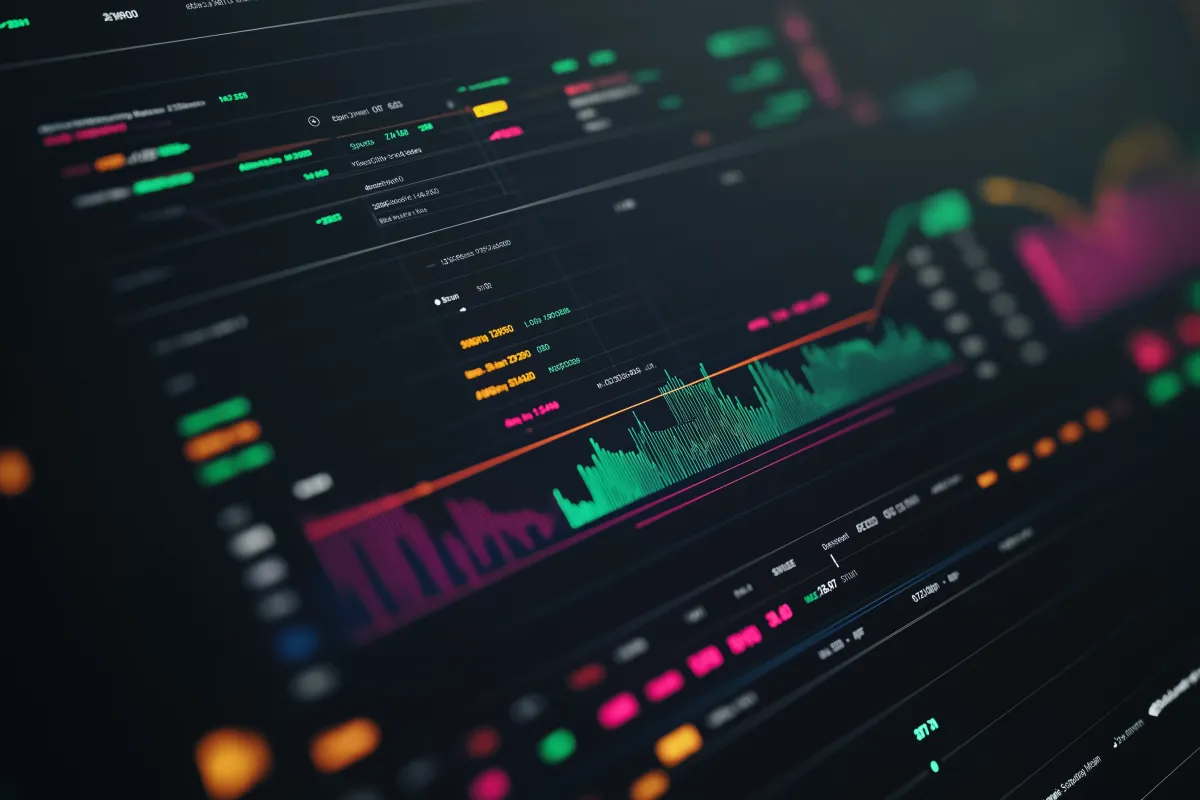
Blocks and Transactions Visualized
A step-by-step look at how transactions are recorded and validated.
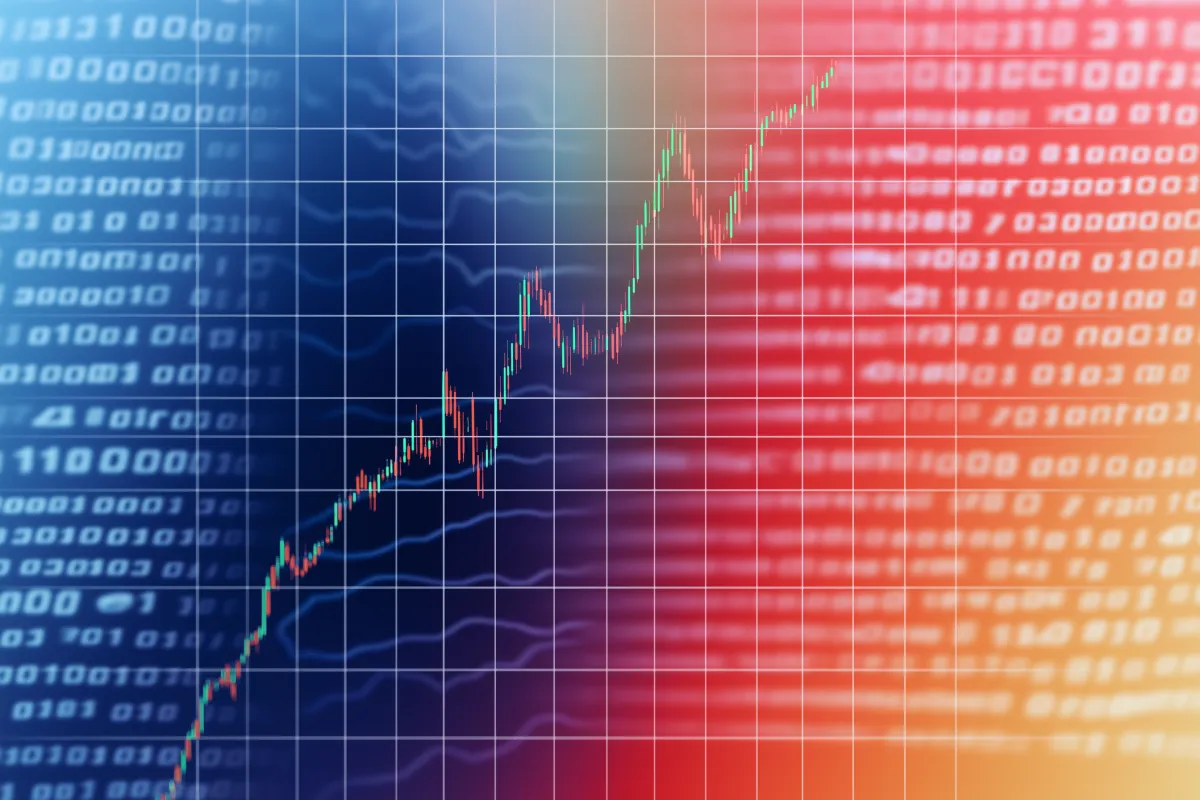
Coin and Token Role Comparison
Understanding their functions within different project frameworks.
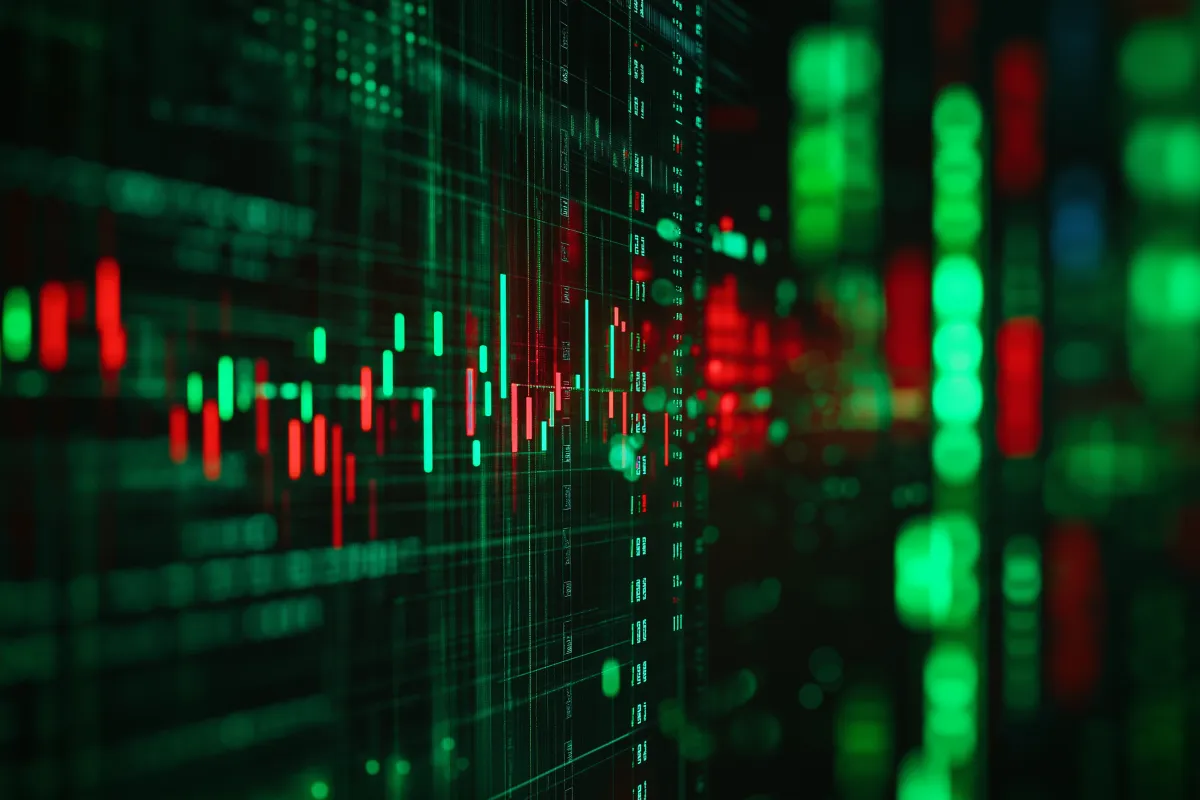
Explaining Network Fees and Gas
Practical illustrations of how costs arise in networks.
Digital Ledgers Made Understandable
Think of a digital ledger like a public book that anyone can check but few can edit. Each entry builds on the last, making the story more trustworthy and verifiable.
Coins and tokens might sound similar, but they serve different needs. Coins drive fundamental operations, while tokens can unlock features, represent assets, or support community proposals.
Every digital transaction may require a small fee or gas, essential for keeping the network secure and operational. These costs shift as demand and activity change.

Key Features for Learners
Dive into clear, practical concepts without specialist language or pressure
Accessible Analogies
Our posts use everyday stories so you relate to complex ideas from your own experience.
Honest Cautions
We point out volatility and risks involved, reminding that digital assets can change in value quickly.
Functional Explanations
We explore how coins and tokens are used, focusing on what roles they play for communities.
Network Fees Transparency
See how network fees or gas fund system activities and why costs change over time.
Frequently Asked Questions
How are Transactions Recorded
Transactions are grouped and timestamped into blocks, making each record traceable and transparent for every participant. This structure builds credibility in the network.
Coins or Tokens
Coins generally provide value exchange and fuel basic functions in their systems, while tokens unlock unique features or participation in certain projects.
What is Gas
Gas is a transaction fee on some blockchains that powers network activity. Its cost can change depending on how active the network is at any moment.
Volatility Warning
Digital assets are a volatile investment and may lose value. Results may vary, and caution is advised when considering participation.