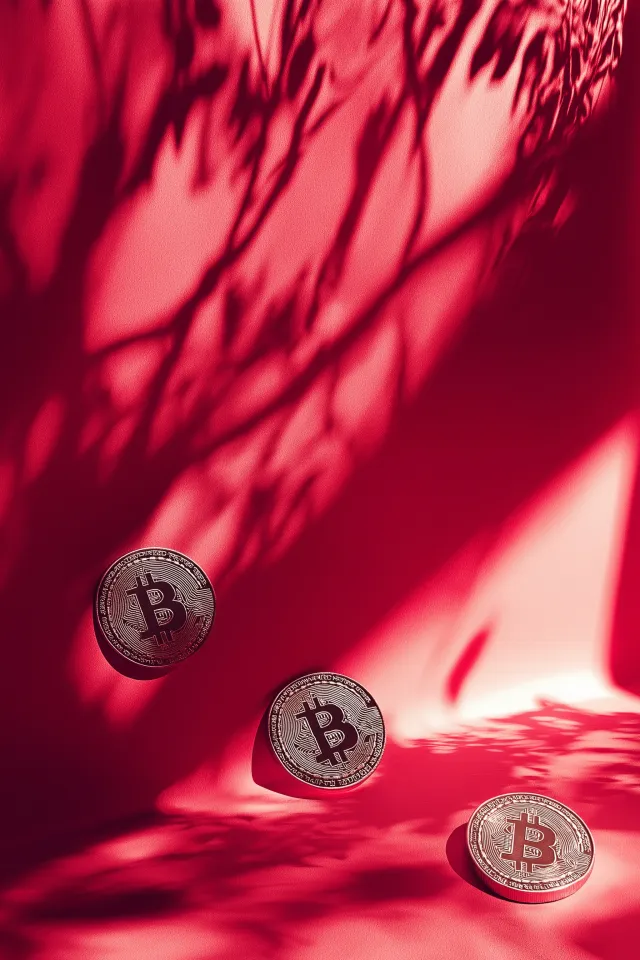
Understanding Blockchain
A guided journey into digital ledgers and secure transactions
Blockchain isn’t as mysterious as it sounds. Imagine a chain of blocks, each storing a list of transactions that anyone within the network can review. This record is transparent and, because it’s shared among many, is nearly impossible to manipulate. For first-timers, this means every transaction is recorded openly while privacy is still preserved. Whether someone is sending digital value or simply exploring this network, knowing how blocks are created, linked, and secured can help demystify the process. Results may vary when participating. Always remember, digital assets are a volatile investment and may lose value.
Contact Us
Understanding Blockchain
A guided journey into digital ledgers and secure transactions
Blockchain isn’t as mysterious as it sounds. Imagine a chain of blocks, each storing a list of transactions that anyone within the network can review. This record is transparent and, because it’s shared among many, is nearly impossible to manipulate. For first-timers, this means every transaction is recorded openly while privacy is still preserved. Whether someone is sending digital value or simply exploring this network, knowing how blocks are created, linked, and secured can help demystify the process. Results may vary when participating. Always remember, digital assets are a volatile investment and may lose value.
Contact UsBlockchain at Its Core
At its foundation, blockchain is a ledger where every participant can view and verify transaction records. Think of this as a digital logbook that everyone agrees on, constantly updated as new transactions occur. Instead of relying on a single authority for record-keeping, thousands of computers maintain the system, which increases transparency and security. What results is a decentralized environment where tampering with past records is extremely challenging, fostering higher trust among users. Whether looking at simple exchanges or more advanced applications, recognizing how this technology functions is crucial for those seeking to understand the world of digital assets.
Visual Insights
See blockchain in practical settings
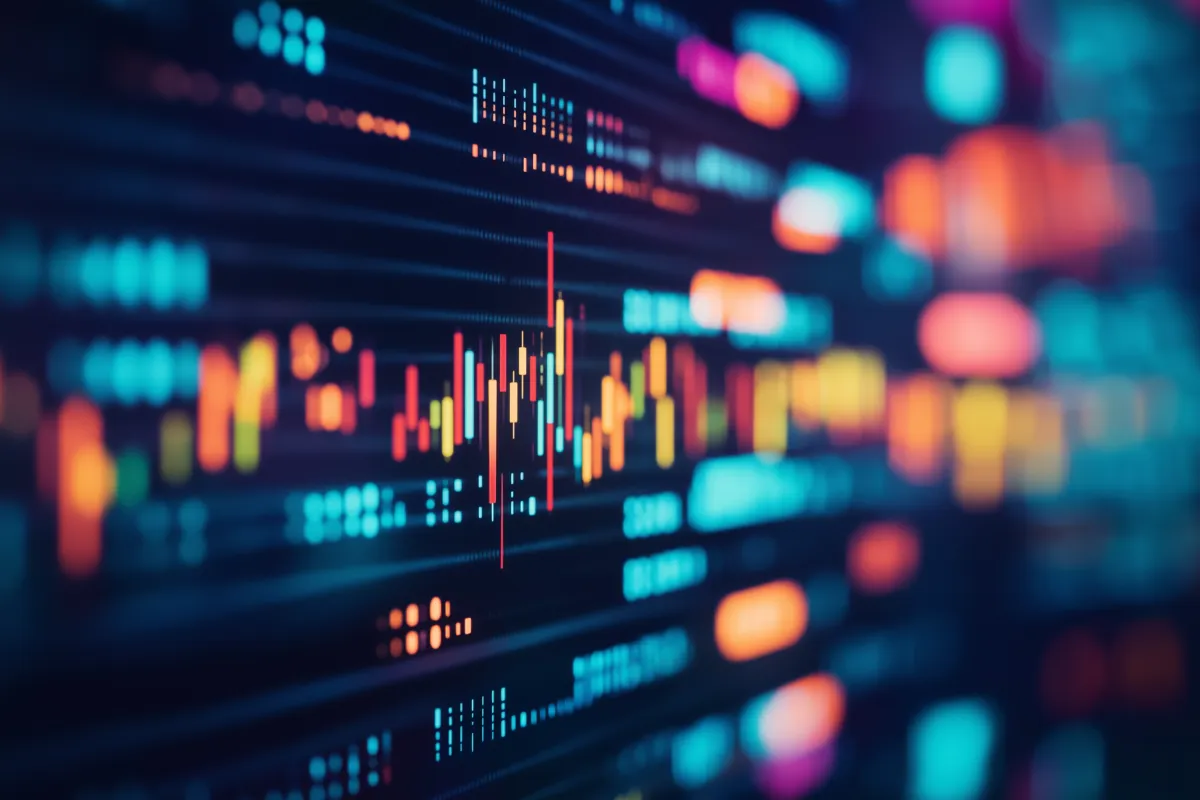
Digital Ledger Network
Blocks linked in a secure, public system
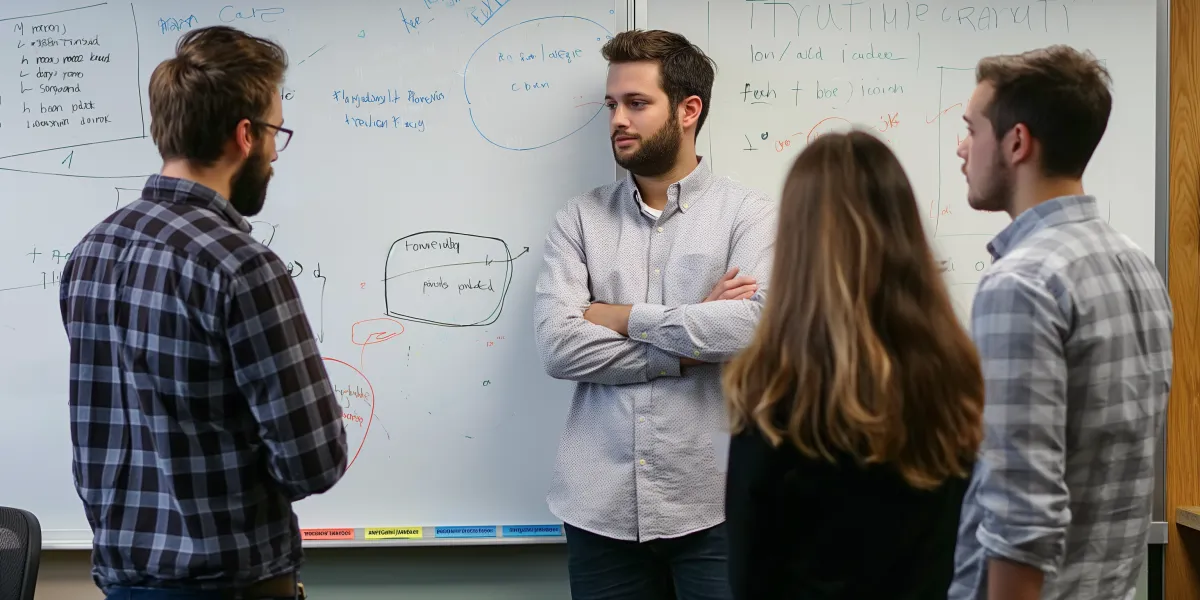
People and Concepts
Group exploring use cases in blockchain
Coins and Tokens
Understanding symbols in digital ecosystems

Structural Security
Layers of trust and security systems
Practical Understanding of Digital Assets
Coins serve as value units native to specific systems, while tokens provide functional roles built on top of existing networks. Both are vital in powering digital environments, yet serve different purposes—coins record main transactions, while tokens can represent anything from participation rights to digital goods. Alongside this, each network requires transaction fees, sometimes called gas. These fees make it possible to execute transfers or use services and can change due to system demand. By recognizing this practical balance, you can appreciate how innovation and resources move within digital spaces. Remember, digital assets are a volatile investment and may lose value. Past performance doesn't guarantee future results.
Explore the Essentials Together
From the basics of blockchain to the dynamics of coins, tokens, and fees, gain confidence in the digital world
Chained and Secure Records
Each transaction is grouped as a block, linking together for greater integrity.
Understanding Network Tokens
Tokens extend functionality, from voting rights to accessing project utilities.
Why Network Fees Exist
Transaction fees help maintain operations and reward computer resources.
Straightforward Stories
Clear analogies make complex ideas easier to grasp for everyone.
Key Concepts Explained

Digital Ledger
A blockchain works as a public digital ledger, keeping records accessible to all while preventing unauthorized changes. This builds community trust and transparency for each participant.
Coin and Token
Coins are the core units connected to a blockchain, while tokens can unlock utility or represent value within a particular project. Both play crucial yet distinct roles.
Gas and Fees
Fees or gas are essential to process transactions on digital ledgers. These costs fluctuate depending on network demand and required computational power.
Volatility
Digital assets carry significant risks, including high price changes and sudden value shifts. Investing should be approached with caution, as there are no guarantees. Results may vary.